
Phebe Novakovic and Brian Moynihan are two prominent business leaders whose careers demonstrate how strategic thinking, disciplined management, and long-term planning can influence major American corporations. Novakovic is widely recognized for her leadership at General Dynamics, a major aerospace and defense company, while Moynihan leads Bank of America, one of the largest financial institutions in the United States. Although they work in different industries, both executives operate in complex environments where decisions can affect employees, investors, customers, government institutions, and the wider economy.
Interest in phebe novakovic and brian moynihan reflects a broader curiosity about the people responsible for guiding large organizations through economic uncertainty, technological change, and evolving customer expectations. Defense companies must balance government contracts, national security priorities, manufacturing capabilities, and technological innovation. Banking leaders, meanwhile, must navigate interest rates, financial regulation, cybersecurity, consumer confidence, and changing payment systems. Their professional responsibilities differ considerably, but both require an ability to evaluate risk, allocate resources, and make decisions that support organizational stability.
Understanding their careers offers a useful perspective on modern corporate leadership. Rather than treating their professional achievements as a direct comparison between two individuals in unrelated sectors, it is more meaningful to examine their backgrounds, leadership responsibilities, strategic priorities, and broader business influence. Their experiences illustrate how different industries demand specialized knowledge while sharing fundamental management principles, including accountability, operational discipline, and a clear understanding of long-term objectives.
Who Is Phebe Novakovic? Understanding Her Career and Influence
Phebe Novakovic built her reputation through a combination of public-sector experience, strategic planning, and corporate management. Before becoming a leading figure in the defense industry, she worked in government, including roles connected with the U.S. Department of Defense, the Office of Management and Budget, and the Central Intelligence Agency. These experiences gave her exposure to national security, public policy, institutional decision-making, and the relationship between government priorities and large organizations. She joined General Dynamics in 2001 and gradually advanced through several senior positions before becoming president and chief operating officer in 2012 and chairman and chief executive officer in January 2013. Her progression demonstrates how specialized knowledge, organizational experience, and an understanding of complex operations can contribute to executive leadership.
Novakovic’s responsibilities at General Dynamics have involved overseeing a business with activities spanning business aviation, naval shipbuilding, combat systems, and advanced technology. Each division operates under different commercial, technical, and regulatory conditions, making coordination essential. For example, business aviation depends on customer demand, product quality, and aircraft delivery schedules, while naval shipbuilding involves extensive engineering requirements, government procurement processes, and projects that may continue for many years. Her leadership has required balancing these different priorities while maintaining financial discipline and operational performance. The career of Novakovic also illustrates the importance of understanding an organization from multiple perspectives before making decisions that influence its future.
Her Leadership at General Dynamics
General Dynamics operates in a sector where reliability, security, engineering expertise, and long-term investment are central to business performance. Its products and services support commercial aviation, military operations, shipbuilding, and information technology. Under Novakovic’s leadership, the company has continued to manage a diversified portfolio while responding to changing defense requirements and commercial market conditions. Defense procurement often involves long development cycles, complex supply chains, and strict performance standards. As a result, senior leadership must consider not only immediate financial results but also workforce capabilities, production capacity, research, and future customer requirements.
An important aspect of her leadership is the need to connect strategic planning with operational execution. A defense contractor cannot rely solely on winning contracts; it must also deliver products that meet demanding specifications, control costs, and maintain dependable relationships with customers. Similarly, an aviation business must protect its reputation for quality while adapting to customer preferences and technological advances. These responsibilities make disciplined management particularly important. The broader lesson from Novakovic’s career is that sustainable corporate performance often depends on the consistent execution of complicated plans rather than a single dramatic decision.
A Significant Leadership Transition in 2027
A major current development concerns Novakovic’s planned transition at General Dynamics. On October 7, 2026, the company announced that its board had elected Danny Deep, its serving president, to become chief executive officer effective January 1, 2027. Novakovic is expected to transition to the role of executive chairman after serving as CEO since 2013. This announcement represents an important stage in the company’s leadership succession, although the planned change does not mean that she is immediately leaving the organization.
The transition highlights the importance of succession planning in large corporations. An orderly handover can help preserve institutional knowledge, maintain relationships with customers and government stakeholders, and support continuity in major projects. Deep has spent approximately 25 years with General Dynamics in positions of increasing responsibility, including senior roles in operations and combat systems. His experience provides a foundation for continuing the company’s established business priorities while bringing his own approach to the CEO position. Novakovic’s expected executive-chair role will allow the company to benefit from her experience while placing day-to-day executive leadership in new hands.
Who Is Brian Moynihan? A Career in Banking Leadership
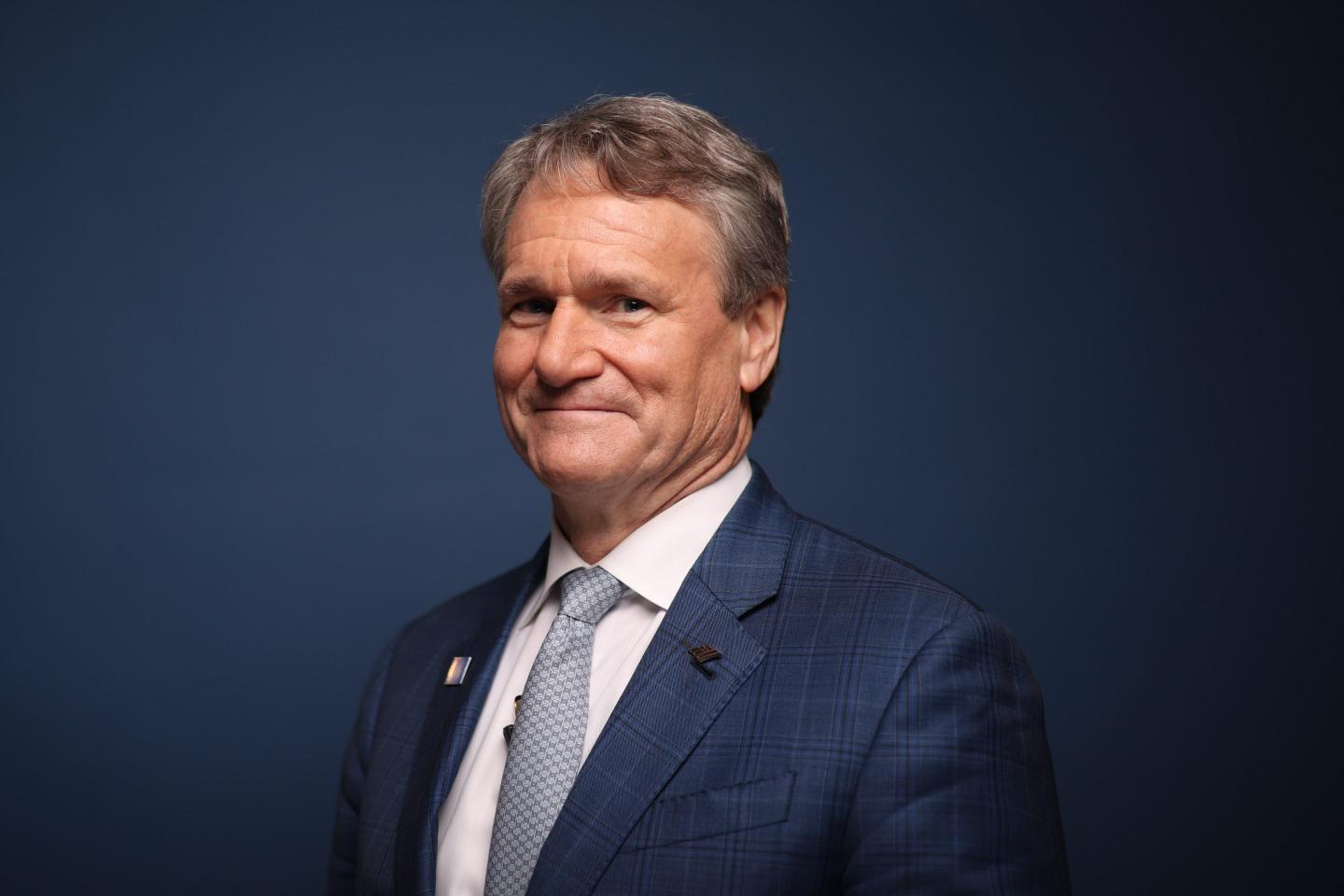
Brian Moynihan is the chairman of the board and chief executive officer of Bank of America, a major financial services company serving individuals, businesses, institutional investors, and other organizations. His career combines legal education, management experience, and extensive involvement in financial services. He earned an undergraduate degree from Brown University in 1981 and later received a law degree from the University of Notre Dame. Before becoming a leading banking executive, he developed experience in professional services and financial organizations, building an understanding of the commercial, legal, and operational issues that affect financial institutions.
Moynihan became chief executive officer of Bank of America in January 2010 and chairman of its board in October 2014. His leadership has involved guiding the company through changing economic conditions, evolving regulatory expectations, digital transformation, and competition across consumer and corporate banking. A large financial institution must manage deposits, loans, payment services, investment banking, wealth management, and risk controls while protecting customer confidence. Decisions involving lending standards, capital allocation, technology investment, and operational efficiency can influence both the institution’s profitability and its ability to support the broader economy. His role therefore requires a combination of financial knowledge, strategic judgment, and the ability to coordinate a very large workforce.
Moynihan’s Approach to Responsible Growth
One of the central ideas associated with Moynihan’s leadership is responsible growth. The concept emphasizes developing business in ways that account for customer needs, financial strength, risk management, and sustainable profitability. For a bank, growth cannot be evaluated simply by the number of accounts opened or the volume of loans issued. The quality of lending, the ability of borrowers to repay, compliance with regulations, and the protection of customer information are equally important. A business strategy that produces rapid expansion without sufficient attention to risk can create serious problems when economic conditions change.
Bank of America also operates in a financial environment increasingly shaped by digital payments, mobile banking, artificial intelligence, cybersecurity, and changing consumer expectations. Customers expect convenient access to accounts, timely transactions, reliable fraud protection, and responsive support. At the same time, the institution must maintain safeguards against unauthorized access, financial crime, and system disruption. Moynihan’s leadership responsibilities include balancing these priorities with the need to invest in technology, maintain financial resilience, and serve customers across different economic circumstances. His position illustrates why modern banking leadership extends well beyond traditional lending and deposit-taking.
Phebe Novakovic and Brian Moynihan: Comparing Their Leadership Styles
Although they lead companies in different industries, phebe novakovic and brian moynihan offer an interesting comparison because both are responsible for organizations where trust, risk management, and long-term planning are essential. Novakovic’s work focuses on defense systems, manufacturing, aviation, and government contracts. Moynihan’s work centers on financial services, lending, investment banking, wealth management, and customer relationships. Their industries have different performance measures, but both executives must ensure that business decisions support long-term organizational stability rather than focusing exclusively on short-term results.

Their professional experiences also demonstrate how leadership depends on understanding the environment in which a company operates. Defense businesses must respond to geopolitical developments, government spending priorities, engineering challenges, and supply-chain limitations. Banks must react to interest rates, credit conditions, market movements, consumer confidence, and financial regulations. A decision that makes sense for a defense contractor might not suit a commercial bank, and the reverse is equally true. Nevertheless, both executives illustrate the value of making informed decisions, maintaining clear organizational priorities, and preparing businesses for changing circumstances.
| Leadership factor | Phebe Novakovic | Brian Moynihan |
|---|---|---|
| Company | General Dynamics | Bank of America |
| Primary industry | Aerospace and defense | Banking and financial services |
| CEO appointment | January 2013 | January 2010 |
| Main responsibilities | Defense programs, aviation, shipbuilding, technology | Banking operations, financial services, risk, customer relationships |
| Important leadership priority | Operational execution and strategic planning | Responsible growth and financial resilience |
| Current leadership development | Expected to become executive chairman in January 2027 | Continues as chairman and CEO |
The comparison shows that successful leadership does not follow a single formula. Novakovic’s background in government and defense operations provides experience relevant to a highly specialized industrial sector. Moynihan’s background in law and financial services supports his work in a business where financial regulation, market conditions, and customer confidence are central. Their careers demonstrate that effective leadership combines industry-specific knowledge with transferable management capabilities.
The Importance of Risk Management and Strategic Planning
Risk management is a defining responsibility for both executives, even though the risks they oversee are different. At General Dynamics, risks may include production delays, engineering difficulties, supplier shortages, cost overruns, contract requirements, and changes in customer demand. A delay in a major manufacturing program can affect delivery schedules, expenses, and relationships with customers. Leadership teams must therefore assess project progress, identify potential bottlenecks, and coordinate technical and operational resources. Planning is particularly important when projects involve specialized equipment, highly trained workers, and commitments extending over many years.
At Bank of America, risk management involves credit quality, market exposure, liquidity, operational resilience, cybersecurity, and regulatory compliance. A bank must maintain confidence among depositors and investors while continuing to provide credit and other financial services. For example, changing interest rates can affect lending demand, funding expenses, and the value of certain financial assets. Cybersecurity incidents can also threaten customer information and disrupt essential services. Moynihan’s responsibilities include ensuring that risk considerations remain part of business decisions rather than being treated as a separate administrative task. In both organizations, the ability to recognize problems early and respond carefully can be as important as identifying new growth opportunities.
How Their Companies Respond to Technological Change
Technology is another area in which their leadership responsibilities overlap. General Dynamics operates in markets where advanced engineering, secure communications, digital systems, and sophisticated manufacturing capabilities are important. Innovation can improve product performance, support military requirements, and increase the efficiency of complex operations. However, introducing new technologies requires investment, technical expertise, testing, and careful management of security and reliability. A promising development must also satisfy practical customer requirements and fit within the company’s production capabilities.
Bank of America faces a different but equally significant technological challenge. Digital banking has changed how customers transfer money, manage accounts, access financial advice, and interact with service providers. Artificial intelligence and data analytics may improve customer support, fraud detection, and internal processes, but they also introduce concerns about privacy, security, accuracy, and responsible use. The challenge is to adopt useful technology without weakening the safeguards on which customers depend. Looking at phebe novakovic and brian moynihan together helps illustrate that technological progress is not simply about purchasing new systems; it also requires sound governance, employee training, and a clear understanding of business objectives.
What Business Professionals Can Learn From Their Careers
The professional journeys of these executives provide lessons for aspiring managers, entrepreneurs, and established business owners. One important lesson is the value of building expertise before taking on broader responsibilities. Novakovic progressed through strategic planning, marine systems, and senior operational positions at General Dynamics. Moynihan gained experience across financial services and business leadership before becoming CEO. Their paths suggest that leadership credibility develops through a combination of practical experience, sound judgment, and the ability to understand how different parts of an organization work together.
Another lesson concerns the relationship between immediate performance and long-term success. Businesses naturally face pressure to deliver financial results, meet deadlines, and satisfy customers. However, leaders must also invest in people, systems, technology, and processes that will support future performance. Cutting necessary investment may improve short-term numbers while creating difficulties later. Conversely, spending without a clear strategic purpose can weaken financial discipline. Strong management requires identifying which investments are essential, measuring their effectiveness, and adjusting priorities when circumstances change.
Professionals can apply several practical lessons from these careers:
-
Develop deep knowledge of your industry before making major strategic decisions.
-
Treat risk management as part of everyday planning rather than an afterthought.
-
Invest in technology and employee capabilities with clearly defined objectives.
-
Prepare for leadership transitions early to maintain organizational continuity.
These principles apply to businesses of different sizes. A small company may not operate aircraft manufacturing facilities or manage a national banking network, but it still needs reliable processes, financial discipline, effective communication, and a plan for future growth. The scale of the organization changes the complexity of implementation, not the underlying value of thoughtful management.
Public Influence and Corporate Responsibility
Executives at major corporations influence more than their companies’ financial results. Their decisions can affect employment, suppliers, local economies, investors, and public confidence. General Dynamics operates in a sector closely connected to national security and government procurement. Its leadership must therefore consider contract performance, product reliability, workforce capabilities, and the responsible management of resources. The company’s activities also create economic relationships with suppliers and communities that depend on major industrial projects.
Bank of America’s influence is similarly broad because financial services help households manage money, businesses fund expansion, and institutions conduct transactions. Lending decisions can affect whether a business can purchase equipment, whether a family can obtain a mortgage, or whether an organization can finance a new project. At the same time, responsible banking requires fair treatment, transparent practices, strong controls, and attention to the risks associated with lending and financial markets. These responsibilities demonstrate why corporate leadership involves balancing commercial objectives with the expectations of customers, employees, regulators, and the wider public.
The public responsibilities of phebe novakovic and brian moynihan also highlight the importance of accountability. Large organizations must explain their decisions to boards, shareholders, regulators, customers, and other stakeholders. Executive experience alone does not guarantee success; outcomes depend on how effectively leaders translate plans into measurable performance. Evaluating their careers therefore involves considering both their strategic priorities and the broader responsibilities attached to their positions.
Conclusion
Phebe Novakovic and Brian Moynihan represent two distinct approaches to leading major American corporations, shaped by the demands of the defense and financial services industries. Novakovic’s career at General Dynamics reflects the importance of operational knowledge, government experience, long-term industrial planning, and disciplined execution. Her planned transition to executive chairman in January 2027 marks a significant development in the company’s leadership structure. Moynihan’s tenure at Bank of America demonstrates the importance of responsible growth, financial resilience, customer confidence, and adaptation to changing economic and technological conditions.
Ultimately, phebe novakovic and brian moynihan are useful examples of how effective corporate leadership requires more than a senior title. It calls for a clear strategy, informed decision-making, risk awareness, and the ability to guide people through uncertainty. Their experiences show that while industries differ in their products, customers, and challenges, organizations benefit from leaders who understand their responsibilities and prepare for the future. For business professionals and readers interested in corporate strategy, their careers offer valuable insights into how expertise, accountability, and long-term thinking contribute to organizational performance.