
Success takes many forms, and the professional journeys of influential women often demonstrate that there is no single path to achievement. Some build their reputations by guiding complex organizations through financial and technological change, while others transform creative industries through original ideas and a distinctive understanding of their audiences. Safra Catz and Diane von Furstenberg represent these different dimensions of accomplishment. Catz is widely recognized for her executive leadership in the technology sector, while von Furstenberg has become an internationally celebrated fashion designer and entrepreneur. Their careers illustrate how determination, strategic thinking, and a clear sense of purpose can help women establish lasting influence in competitive environments.
Although their professional worlds are very different, examining their achievements together offers a useful perspective on leadership, business development, and personal identity. Technology companies operate through innovation, investment, operational discipline, and long-term planning. Fashion businesses depend on creativity, consumer understanding, brand recognition, and cultural relevance. Both industries require people who can recognize opportunities, respond to changing expectations, and make decisions that shape the future of their organizations. The stories of these two women provide valuable examples of how expertise and individual vision can contribute to professional success.
The topic of safra catz and diane von furstenberg is particularly interesting because it brings together two distinct models of influence. One demonstrates the importance of financial discipline and corporate execution, while the other highlights the commercial power of creativity and an enduring personal brand. Understanding their backgrounds, professional accomplishments, leadership approaches, and broader contributions helps explain why women leaders continue to play an important role in shaping modern business and culture.
Who Is Safra Catz? Understanding Her Corporate Journey
Safra Catz has built her professional reputation through years of experience in finance, corporate strategy, and technology management. Born in Holon, Israel, she moved to the United States during her childhood and eventually pursued higher education that prepared her for a career in business. She earned a bachelor’s degree from the University of Pennsylvania’s Wharton School and a law degree from the University of Pennsylvania Law School. Before entering the technology industry, she developed substantial experience in investment banking, where financial analysis, negotiations, and strategic decision-making were essential parts of her work. These experiences helped establish the business skills that would later become central to her executive career.
Catz joined Oracle in 1999 and gradually assumed increasingly influential responsibilities. She served as president, chief financial officer, and eventually chief executive officer, leading the company through important changes in enterprise software, cloud computing, and corporate strategy. In September 2014, she became CEO, sharing the position initially with Mark Hurd before continuing in the role following his death. In September 2025, Oracle announced a leadership transition, appointing Clayton Magouyrk and Mike Sicilia as chief executives while Catz became executive vice chair of the board. Her career demonstrates how financial knowledge, organizational discipline, and long-term strategic planning can prepare an executive to guide a major technology company through evolving market conditions.
Safra Catz’s Leadership Style and Business Philosophy
One of Catz’s defining professional strengths is her understanding of the relationship between financial performance and strategic growth. Running a global technology company requires more than introducing new products. Executives must consider customer expectations, operating expenses, competition, research investments, acquisitions, and the long-term value of business relationships. Her background in investment banking and corporate finance provided a foundation for evaluating these competing priorities. During her leadership at Oracle, the company continued expanding its cloud infrastructure and enterprise technology offerings while managing major strategic decisions about its future.
Another important element of her leadership is execution. Corporate strategies can sound impressive in presentations, but their value ultimately depends on whether organizations can implement them effectively. This requires clear priorities, coordination among departments, accountability, and the ability to adjust when circumstances change. Catz’s executive career illustrates the importance of connecting ambitious business objectives with measurable operational outcomes. Her move into the executive vice chair position also highlights a significant aspect of corporate governance: experienced leaders can continue contributing to an organization’s direction even after transferring day-to-day executive responsibilities to new leadership.
Who Is Diane von Furstenberg? The Designer Behind an Iconic Brand
Diane von Furstenberg established her reputation through a very different route. Born Diane Simone Michelle Halfin in Brussels, Belgium, in 1946, she entered the fashion industry in the early 1970s and developed a design identity that combined practicality, confidence, and feminine expression. Her career became closely associated with the wrap dress, which she introduced in 1974. The design was straightforward yet influential, offering women a garment that could be comfortable, versatile, and suitable for different settings. Its popularity demonstrated that clothing could be commercially successful while also reflecting changing ideas about women’s independence and professional lives.
The wrap dress became much more than a successful fashion product. Its adjustable construction and adaptable silhouette made it appealing to women seeking clothing that could transition between work, social occasions, and everyday activities. By the mid-1970s, the design had achieved remarkable commercial success, helping von Furstenberg establish a recognizable identity in an intensely competitive industry. She developed her namesake label into a broader fashion business, becoming known for expressive prints, confident colors, and designs that emphasized individuality. Her career shows how a clear product concept, supported by a strong brand identity, can become a lasting part of popular culture.
How Diane von Furstenberg Built a Lasting Fashion Identity
The strength of von Furstenberg’s brand lies partly in its consistent message. Rather than treating fashion solely as a matter of appearance, she has connected clothing with confidence and personal freedom. This approach gave her designs an emotional dimension that extended beyond fabric, patterns, and silhouettes. A customer purchasing a wrap dress might value its practical construction, but the brand’s wider message also encourages the wearer to feel comfortable expressing her identity. That connection between product and personal experience has helped the label remain recognizable across changing fashion trends.
Her career also demonstrates the importance of resilience. Fashion businesses are particularly vulnerable to changing consumer tastes, economic conditions, retail transformations, and competition from new designers. Maintaining a brand over several decades requires the ability to revisit earlier successes without relying exclusively on nostalgia. Von Furstenberg’s return to the wrap dress in the late 1990s showed how an established design could regain relevance when presented to a new generation. More recently, the business has continued evolving through organizational and creative changes, including the appointment of designer Henry Zankov as artistic director in May 2026. Such developments illustrate the challenge of preserving a founder’s identity while creating space for fresh creative perspectives.
Safra Catz and Diane von Furstenberg: A Comparison of Two Career Paths
Although these women work in separate industries, comparing their careers reveals several meaningful similarities. Both developed strong professional identities, understood the importance of organizational direction, and built influence through sustained work rather than a single achievement. Their approaches, however, reflect the different demands of their fields. Catz operates in an environment where financial results, enterprise relationships, technical investment, and operational efficiency are essential. Von Furstenberg works in a world where creative distinction, product design, cultural relevance, and customer perception play central roles.
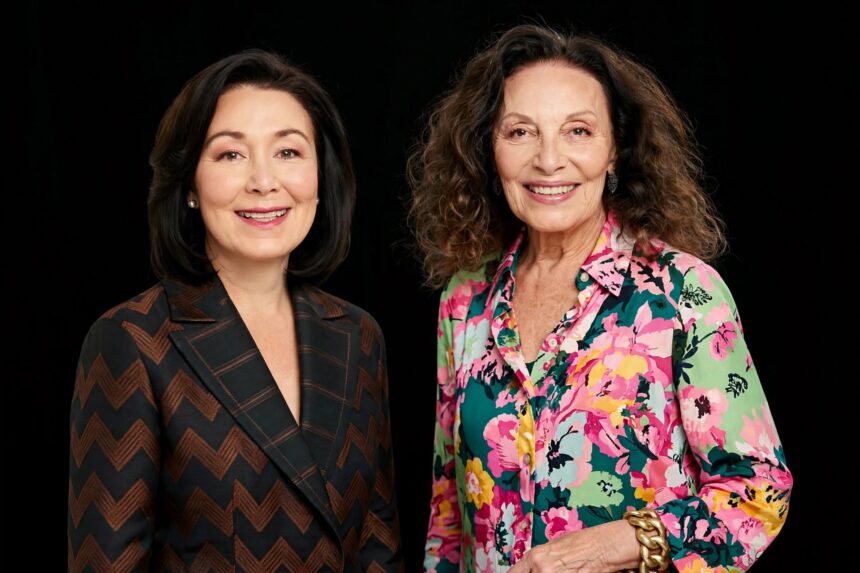
The comparison of safra catz and diane von furstenberg also demonstrates that leadership cannot be measured through one universal formula. A technology executive may need to evaluate infrastructure spending, software demand, and business expansion. A fashion entrepreneur may need to understand fabric, fit, production, retail positioning, and the emotional motivations behind consumer choices. Both must make decisions with incomplete information, manage competing priorities, and protect the long-term value of their organizations. Their careers offer different but equally useful perspectives on how professional expertise can become a source of influence.
| Area of comparison | Safra Catz | Diane von Furstenberg |
|---|---|---|
| Primary industry | Enterprise technology and software | Fashion and luxury lifestyle |
| Main professional strength | Financial strategy and corporate leadership | Design, branding, and entrepreneurship |
| Signature achievement | Leading Oracle as CEO from 2014 to 2025 | Creating the iconic wrap dress in 1974 |
| Leadership focus | Business performance and strategic execution | Creative identity and customer confidence |
| Broader contribution | Corporate governance and education | Women’s empowerment and philanthropy |
This comparison is not intended to rank one woman above the other. Instead, it shows how success depends on the challenges a person chooses to address and the skills required to meet them. Both careers illustrate the value of combining specialized knowledge with a broader understanding of people, organizations, and changing expectations.
Women’s Empowerment and Influence Beyond Business
A successful career can influence society in ways that extend beyond revenue, products, or executive titles. Both women demonstrate how professional visibility can create opportunities to support broader causes, although they have pursued this responsibility in different ways. Catz has contributed to educational initiatives and corporate governance through her involvement with organizations and boards. Her service with the Oracle Education Foundation, where she has been a board member since its founding in 2000 and chair since 2004, reflects an interest in education and opportunities for learning. Her work also illustrates how executives can use their professional experience to contribute to institutional oversight and long-term organizational development.
Von Furstenberg has made women’s empowerment a more visible part of her public identity. In 2010, she and the Diller-von Furstenberg Family Foundation established the DVF Awards to recognize women whose courage, leadership, and determination have helped others. The initiative provides recognition and support to individuals working to address social challenges. She has also participated in organizations that support women’s leadership and has contributed to cultural and civic projects. These activities reinforce the idea that a successful business can provide a platform for encouraging positive change beyond its immediate commercial objectives.
Why Representation Matters in Leadership
Representation matters because it helps expand public understanding of who can occupy positions of authority. When women become influential executives, entrepreneurs, designers, and philanthropists, their careers can challenge assumptions about professional ability and ambition. Their experiences may also provide useful examples for younger people who are considering industries where women have historically faced barriers to advancement. However, representation alone does not solve every workplace challenge. Fair recruitment, access to education, effective mentorship, equal opportunities for advancement, and supportive professional environments remain important.
The experiences of safra catz and diane von furstenberg highlight two ways that influence can develop. Catz’s career shows the significance of technical understanding, financial expertise, and participation in high-level corporate decision-making. Von Furstenberg’s journey demonstrates how creative independence and a recognizable business identity can become powerful tools for professional expression. Their achievements do not suggest that every aspiring leader should follow the same route. Instead, they show that women can build meaningful careers through different combinations of knowledge, ambition, creativity, and persistence.
Lessons Entrepreneurs and Professionals Can Learn From Their Careers
Their professional journeys offer practical lessons for people working toward their own goals. One important lesson is the value of developing expertise before pursuing greater responsibility. Catz’s experience in banking and corporate finance helped prepare her for complex executive decisions, while von Furstenberg’s understanding of design and consumer preferences helped her create a product with lasting appeal. In both cases, professional credibility developed through the ability to understand a field and respond to its specific challenges.

Another lesson concerns the importance of consistency without becoming resistant to change. A business needs a recognizable identity, but it must also adapt when markets evolve. Technology companies must respond to new computing models and customer requirements, while fashion brands must balance established design signatures with changing cultural preferences. Leaders who understand this balance can protect what makes their organizations distinctive while exploring new opportunities.
Several practical principles emerge from these careers:
-
Build expertise: Develop a strong foundation in the skills and knowledge required by your industry.
-
Think strategically: Consider long-term consequences instead of focusing only on immediate results.
-
Adapt to change: Recognize when established methods need improvement or when new opportunities deserve attention.
-
Create lasting value: Build products, services, or organizations that solve real problems and meet meaningful needs.
-
Support others: Use professional experience and influence to encourage learning, leadership, and opportunity.
These principles apply to more than corporate executives or fashion entrepreneurs. A freelancer can use them to build a trustworthy reputation, a small-business owner can apply them when developing a distinctive brand, and a young professional can use them to plan a career with greater confidence. The central lesson is that sustainable achievement generally comes from combining individual strengths with continuous learning and responsible decision-making.
The Current Relevance of Their Professional Legacies
In 2026, both careers remain relevant for different reasons. Catz’s transition from CEO to executive vice chair marks a new phase in her relationship with Oracle, allowing her experience to remain relevant during a period of leadership change. Her career offers a case study in corporate succession, institutional knowledge, and the importance of preparing organizations for new leadership. As technology businesses respond to developments in cloud infrastructure and artificial intelligence, the financial and organizational decisions made by experienced executives continue to attract attention.
Von Furstenberg’s legacy is being carried forward through the continued development of her fashion house. The appointment of Henry Zankov as artistic director in 2026 illustrates how an established designer brand can introduce new creative leadership while retaining the identity associated with its founder. The challenge is to remain relevant to contemporary customers without losing the qualities that originally made the label distinctive. Her continued public association with women’s empowerment also ensures that her influence extends beyond clothing and retail.
For readers exploring safra catz and diane von furstenberg, these developments offer a timely reminder that a professional legacy is not necessarily fixed at the moment someone reaches the height of their career. It can continue through board responsibilities, mentorship, philanthropy, creative partnerships, and the next generation of leaders. The ability to pass on knowledge while allowing new ideas to develop is an important part of long-term success.
Conclusion
Safra Catz and Diane von Furstenberg represent two distinct approaches to achievement, demonstrating how leadership can take different forms across business, technology, fashion, and philanthropy. Catz established her reputation through financial expertise, corporate strategy, and years of executive leadership at Oracle. Von Furstenberg built an internationally recognized fashion identity through the wrap dress, a distinctive design philosophy, and a long-standing commitment to empowering women. Their careers differ in their objectives and methods, but both illustrate the importance of professional knowledge, determination, adaptability, and a clear sense of direction. Ultimately, the significance of safra catz and diane von furstenberg lies in what their journeys reveal about the many ways women can shape industries and influence society. Their experiences show that success does not require following a single professional model. It requires understanding one’s strengths, making informed decisions, responding to change, and creating value that extends beyond individual recognition. For aspiring entrepreneurs, business leaders, designers, and professionals, their legacies offer a compelling reminder that lasting influence grows when expertise is combined with vision, resilience, and a willingness to help shape the future.