
Digital communication has changed significantly with the introduction of smartphones, messaging applications, social media platforms, and online communication tools. People regularly encounter different notifications, symbols, labels, and status messages while using their devices. Some of these indicators are easy to understand, while others can create confusion, especially when they appear without an explanation. One such phrase that users may come across is audio displayed meaning.
The wording generally refers to information indicating that audio content is being shown, presented, identified, or made available through a digital interface. Depending on the application or device, it may relate to an audio message, sound recording, voice note, media playback, or an audio-related notification. Its exact interpretation depends on where the phrase appears and what activity is taking place on the screen.
Understanding audio-related indicators can make everyday technology easier to use. Whether someone is listening to music, watching videos, participating in an online meeting, or exchanging voice messages, knowing how audio information is presented helps avoid unnecessary confusion. This article explains the possible interpretations, practical applications, and importance of audio display features in modern digital environments.
What Does Audio Displayed Mean?
The phrase audio displayed generally suggests that an audio element or information associated with sound is visible within an application, website, operating system, or digital device. It does not necessarily mean that sound is currently playing. Instead, it may indicate that an audio file, recording, playback option, or sound-related component has been identified and presented on the screen.
For example, when someone receives a voice message through a messaging application, the interface may display a recording with a play button, duration, and sender information. Similarly, a music application may show the currently selected song, playback progress, and audio controls. These are different examples of how digital platforms present audio information to users.
The interpretation also depends on the surrounding interface. An audio indicator appearing during a video call may relate to microphone activity, while a similar notification inside a media player may refer to playback. Therefore, users should consider the application and activity rather than assuming that every audio-related message has the same meaning.
Why Does an Audio Display Appear on Digital Devices?
Modern devices use visual indicators to communicate information that users cannot understand through sound alone. Audio displays are particularly useful because they help people identify recordings, control playback, monitor sound activity, and interact with multimedia content.
One common reason for an audio display is media recognition. When a smartphone detects an audio file or opens a supported recording, it may present the file name, playback controls, and other relevant information. This makes it easier to understand what content is available and how it can be accessed.
Another reason is communication activity. Messaging platforms frequently display voice recordings as separate elements within conversations. Users can see whether a recording has been received, sent, or played, depending on the features supported by the application. These visual elements make audio communication more organized and convenient.
Different Situations Where Audio Information Is Displayed
Audio-related information can appear in several situations. Recognizing these situations helps users understand why a particular indicator is visible and whether any action is required.
1. Audio Messages in Messaging Applications
Voice messages have become a popular communication method because they allow people to express themselves without typing lengthy messages. Applications may display a waveform, playback button, recording duration, or sender details whenever a voice message is available.
These visual elements help recipients identify audio content before playing it. They can also provide useful information about the recording’s length and playback status. Depending on the application, users may be able to pause, replay, forward, or delete the recording.
2. Audio Playback on Smartphones
Smartphones include built-in media players that display information about music, podcasts, downloaded recordings, and other sound files. When a user plays an audio file, the screen may show its title, playback duration, progress bar, and volume settings.
In some situations, playback controls remain visible in the notification panel even after the user switches to another application. This allows people to manage their listening experience without returning to the original media player.
3. Audio During Online Meetings
Video conferencing applications use audio indicators to communicate microphone and speaker activity. During an online meeting, users may see microphone icons, mute notifications, speaker settings, or voice activity indicators.
These features are important because they help participants understand whether their microphones are active. For example, a muted microphone indicator tells a participant that other meeting members cannot hear their voice through that microphone. However, the exact behavior depends on the platform and device settings.
4. Audio on Websites and Social Media
Websites and social platforms frequently combine text, images, videos, and sound. Audio information may appear through embedded players, short-form videos, podcast previews, or automatically generated captions.
A social media post containing a video may display a speaker icon that allows users to turn sound on or off. Some platforms also provide audio titles and creator information, making it easier to identify the sound used in a particular video.
Common Audio Display Indicators and Their Meanings
Different platforms use different visual elements to represent sound-related activities. Although their designs may vary, many indicators serve similar purposes.
| Audio indicator | General meaning | Common usage |
|---|---|---|
| Speaker icon | Sound or volume control | Videos and media players |
| Microphone icon | Microphone activity or settings | Calls and meetings |
| Waveform | Visual representation of audio | Voice messages |
| Play button | Starts audio playback | Music and recordings |
| Pause button | Temporarily stops playback | Media applications |
| Volume slider | Adjusts sound level | Smartphones and computers |
These indicators are designed to make digital interactions more understandable. However, the same icon can behave differently across applications. For example, a microphone symbol may open microphone settings in one application and indicate recording activity in another.
How Audio Display Features Improve User Experience
Audio display features are not simply decorative elements. They play an important role in making digital platforms easier to understand and operate. Without visual information, users would have to rely entirely on sound to determine whether a recording is available, whether media is playing, or whether a microphone is active.
One major advantage is convenience. A person listening to a podcast can check the playback progress, pause the recording, and adjust the volume without opening multiple settings. Similarly, someone receiving a voice message can identify its duration before deciding when to listen.
Accessibility is another important benefit. People who have difficulty hearing or who are using devices in environments where sound is unavailable can benefit from visual representations of audio information. Captions, transcripts, sound indicators, and text descriptions help make multimedia content more accessible.
These features also improve communication. During online meetings, participants can identify muted microphones and adjust their audio settings. This reduces misunderstandings and helps create a smoother communication experience.
Understanding Audio Displayed Meaning Across Different Devices
The way audio information appears can differ depending on the operating system, device type, and application being used. A smartphone may show audio controls in its notification panel, whereas a desktop computer may display them inside a dedicated media application.
Audio Display on Android Devices
Android smartphones support several types of audio indicators. Users may see media playback notifications, microphone permissions, voice recording controls, and sound settings. The exact appearance depends on the Android version and the smartphone manufacturer.
For example, when music is playing in the background, a media notification may appear on the lock screen or notification panel. It can include the song title, artist information, and playback controls. Android versions may also show privacy indicators when an application accesses the microphone.
Audio Display on iPhones
Apple devices provide audio-related controls through applications, notification interfaces, and system-level features. Users can manage music, podcasts, recordings, and call audio through the relevant controls.
An iPhone may also display an orange indicator when an application is using the microphone. This is a privacy feature that helps users become aware of microphone access. It should not be confused with an ordinary media playback notification.
Audio Display on Computers
Windows and macOS computers provide audio information through system settings, taskbars, media players, and communication applications. Users can check available output devices, adjust volume levels, select microphones, and control playback.
For example, during an online conference, a computer may show which microphone and speaker are selected. If the audio is not working correctly, these settings can help identify the source of the problem.
Is Audio Displayed a Sign That Someone Is Recording You?
One common misunderstanding is that seeing an audio-related indicator automatically means someone is recording. This is not necessarily true. Audio displays can represent many different activities, including ordinary media playback, voice messages, microphone settings, and sound controls.
However, privacy indicators should always be taken seriously. Modern smartphones provide microphone access notifications to help users identify when applications are using their microphones. On supported devices, these indicators can help users notice unexpected microphone activity.
If an unfamiliar application appears to access the microphone, users can review its permissions through their device settings. They should also consider whether the application has a legitimate reason to use the microphone, such as making calls or recording voice notes.
The important distinction is that an audio display alone does not prove that unauthorized recording is taking place. Users should examine the specific notification, application permissions, and device behavior before drawing conclusions.
What Should You Do When an Audio Display Appears Unexpectedly?
If an audio-related notification or message appears without an obvious reason, there is generally no need to panic. First, identify the application responsible for displaying it. A recently opened media player, messaging application, or video platform may be responsible.
The next step is to check whether any audio is currently playing in the background. Sometimes, users switch between applications while media continues playing. The playback notification may remain visible even when the original application is no longer open.
If the indicator relates to microphone activity, reviewing privacy permissions is a sensible precaution. Users can check which applications have microphone access and disable unnecessary permissions.
A few practical steps can help:
-
Check the application displaying the audio notification.
-
Look for active music, video, or voice playback.
-
Review microphone permissions if recording activity seems unusual.
-
Restart the application or device if the indicator appears stuck.
These steps can help resolve common issues without changing important device settings unnecessarily.
The Difference Between Audio Display, Audio Playback, and Audio Recording
Although these terms are related, they describe different activities. Understanding the distinction is important because users sometimes interpret them as interchangeable.
Audio display refers to the visual presentation of sound-related information. It may include a file name, waveform, microphone symbol, or media control. Audio playback means that a sound file or recording is being played through a device’s speaker or connected headphones.
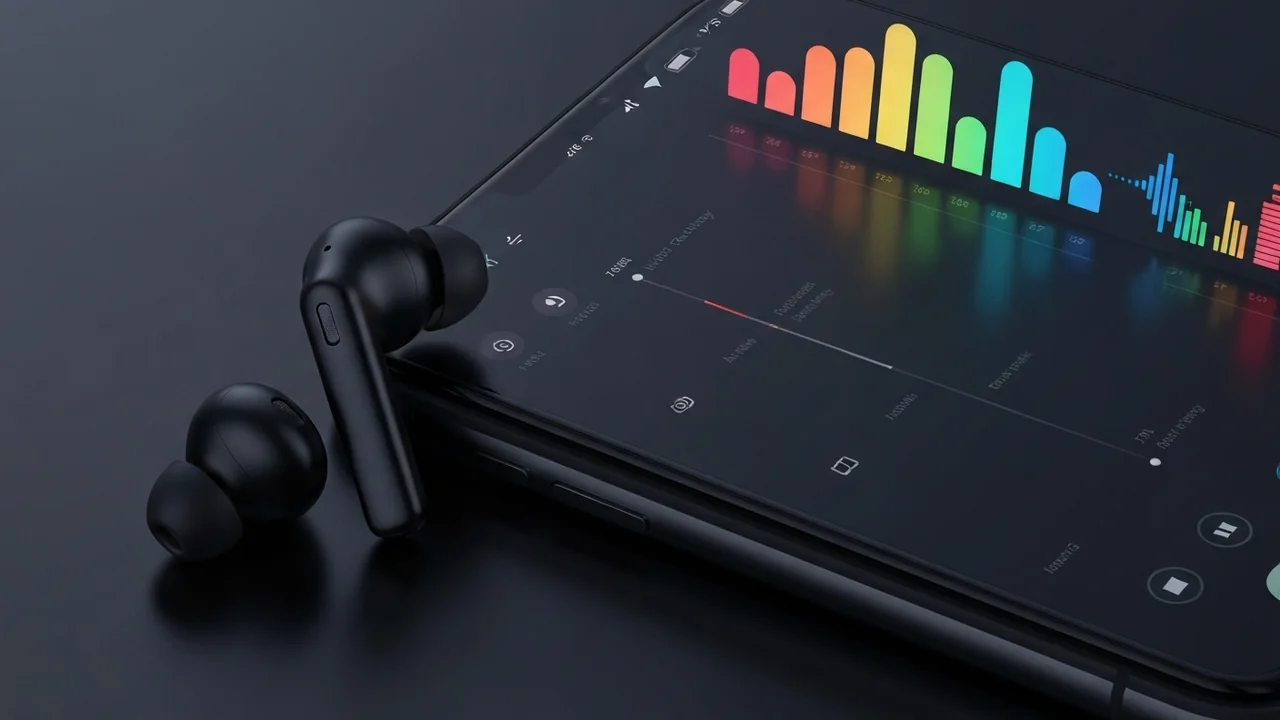
Audio recording, on the other hand, involves capturing sound through a microphone and saving or transmitting it. A recording may take place without immediate playback, while a playback notification does not necessarily indicate that a recording is happening.
For instance, when a user opens a previously recorded podcast episode, the application may display audio information and play the recording. However, the device is not necessarily recording anything through its microphone. This distinction helps prevent unnecessary confusion about privacy and device activity.
How Modern Technology Is Changing Audio Displays
Audio technology continues to develop as smartphones, artificial intelligence, accessibility tools, and communication platforms become more advanced. Today’s digital interfaces offer more than simple play and pause buttons. They can include automatically generated transcripts, voice recognition, audio descriptions, sound classification, and personalized playback controls.
Artificial intelligence is particularly influential in this area. Some platforms can convert spoken language into written captions, summarize recordings, and identify different speakers in supported environments. These capabilities make audio information more useful for education, professional communication, and everyday entertainment.
Accessibility improvements are also becoming increasingly important. Real-time captions and transcription features can help users understand spoken content without depending entirely on sound. As these technologies improve, audio displays are likely to become more informative and easier to navigate.
Nevertheless, privacy and transparency remain essential. Applications should clearly communicate when they access microphones and explain how recorded information is handled. Users should continue reviewing permissions and understanding the features they enable.
Conclusion
Understanding digital notifications and interface labels can make everyday technology much easier to use. The audio displayed meaning generally relates to the visual presentation of audio information, such as voice messages, sound recordings, playback controls, and microphone-related indicators. Its precise interpretation depends on the device, application, and situation in which it appears.
Audio display features improve convenience, accessibility, and communication by helping users recognize and manage sound-related activities. They also provide useful information about media playback and microphone access. However, seeing an audio indicator does not automatically mean that a device is recording someone.
By understanding common audio symbols, checking application permissions, and recognizing the difference between playback and recording, users can interact with their devices more confidently. As digital communication continues to evolve, these visual indicators will remain an important part of creating safer, simpler, and more accessible technology experiences.